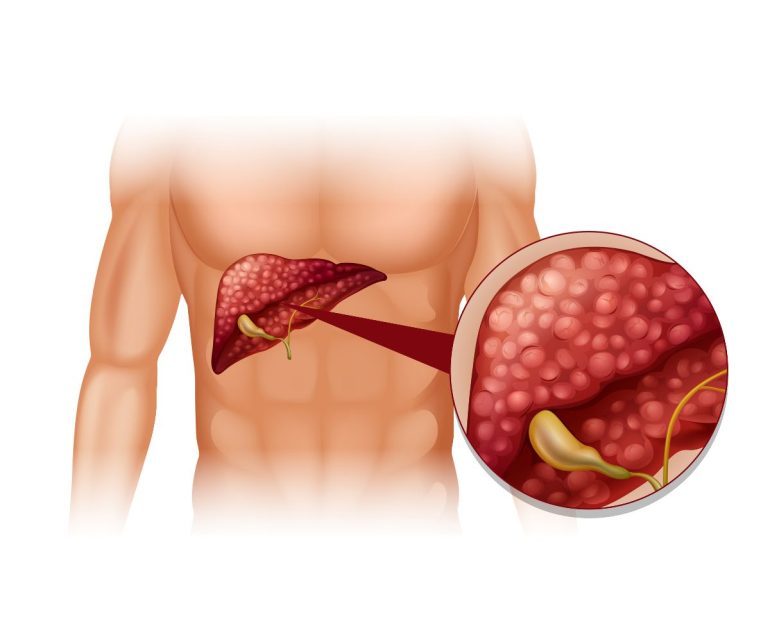
Colon Cancer
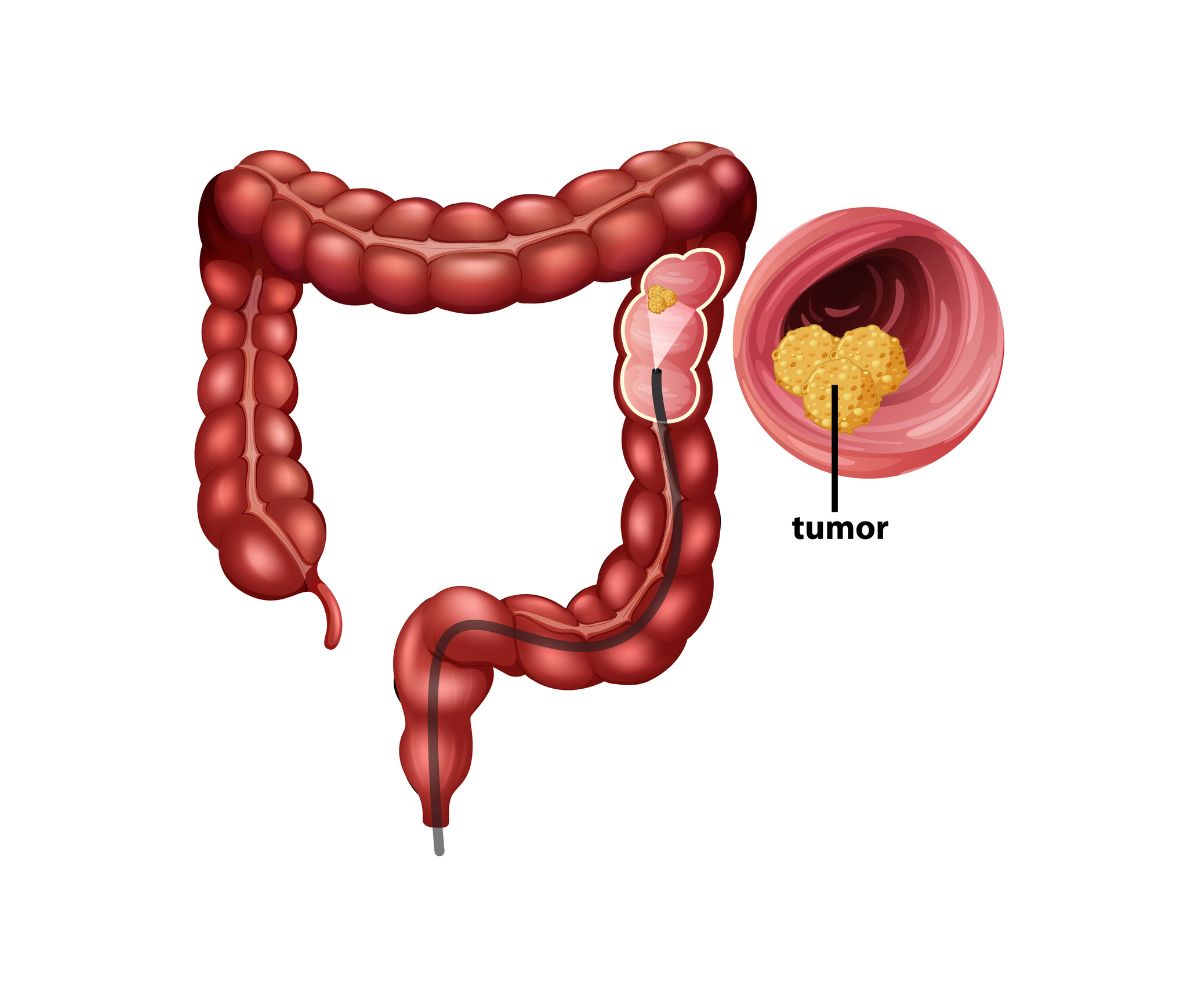
Colon cancer affects the large intestine and it begins as small non-cancerous (benign) clumps of cells called ‘adenomatous polyps’. These cells sometimes develop to malignant tumor arising from the inner wall of the large intestine (colon) or rectum.
Colon polyps and early cancer may have no cancer-specific early signs or symptoms. Therefore, regular colorectal cancer screening is important. Diagnosis of colon cancer can be made by sigmoidoscopy or by colonoscopy with biopsy confirmation of cancerous tissue.
Colon cancer often causes no symptoms in the earliest stages. However, symptoms may become more noticeable as it progresses. These signs and symptoms may include: diarrhea or constipation; changes in stool consistency; loose, narrow stools; blood in the stool, which may or may not be visible; abdominal pain, cramping, bloating, or gas; continual urges to defecate despite passing stools; weakness and fatigue; unexplained weight loss among others.
Treatment of colorectal cancer depends on the location, size, and extent of cancer spread, as well as the health of the patient. Surgery is the most common medical treatment for colorectal cancer.
Have some questions?
Our team is ready to answer all your queries. Here are some frequently asked questions.
The consultation fee is KSh 6,000 (first session), and KSh 5,000 per session (thereafter).
We offer medical oncology consultations, Chemotherapy, Immunotherapy, Targeted therapy, and personalized cancer screening.
We are located at The Nairobi Hospital Cancer Centre, First Floor, Suite 1.
In many cases, yes. Surgery is an often successful conventional treatment, as are radiotherapy (after or instead of surgery) and chemotherapy. So in some cases it works, and in other cases it does not. Your doctor will be able to explain whether the chance of it working in your own case is high, low, or in-between.